press.nz

Politics

Former RNZ director says she warned the board it needed ministers' approval for $5m overdraft
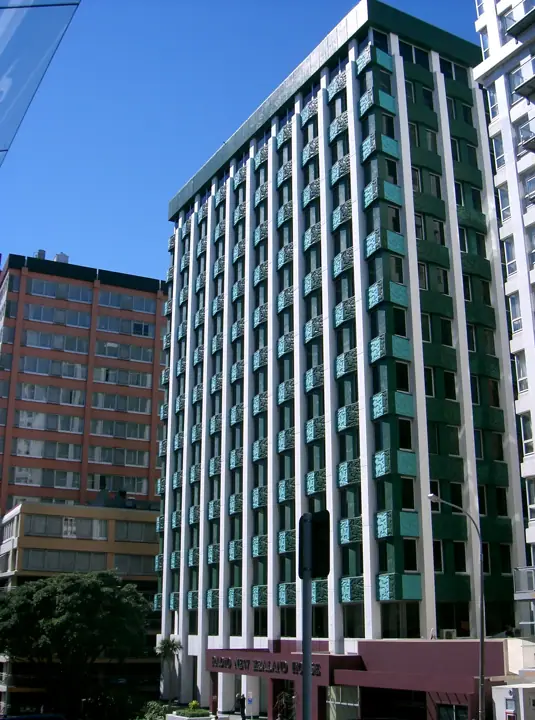
A tall white-and-green office tower with a sign reading Radio New Zealand House above its entrance, under a clear blue sky
Radio New Zealand House in Wellington

Jane Wrightson, a former RNZ board member, says she told the board that ministers would have to sign off on the broadcaster's $5 million overdraft, and that the whole board knew it.

She made the claim in an email to media, reported by RNZ, which is covering its own board. She doesn't know why approval wasn't sought. "It should have been," she wrote.

RNZ reported that the facility allegedly breached the Crown Entities Act, under which ministers must sign off on an overdraft like this one.

The Spinoff identifies Wrightson as the former chair of RNZ's audit and risk committee and says she maintains she told the board ministerial approval was needed. It also says few of the issues behind the broadcaster's budget blowout were flagged by anyone, including that committee.

Wrightson's account doesn't match the one board chair Brent Impey gave on Checkpoint on Thursday. Impey said that after the board approved the overdraft, but before RNZ formally entered into it, a director asked chief financial officer Hilary Parker in writing whether ministerial approval was needed. "The assurance given at that time was that RNZ did not require approval from either the minister of finance or the shareholding ministers to establish the facility," Impey said.

Wrightson said her term was ending and she wasn't involved in any later correspondence.

Both accounts can be true: a board warned by one of its own directors can still take a CFO's assurance. If Wrightson is right, the question for the review is why the board took management's word over hers.

Impey said the matter would form part of what the independent review needs to consider. "As a result, I will not be commenting further on this matter," he said.
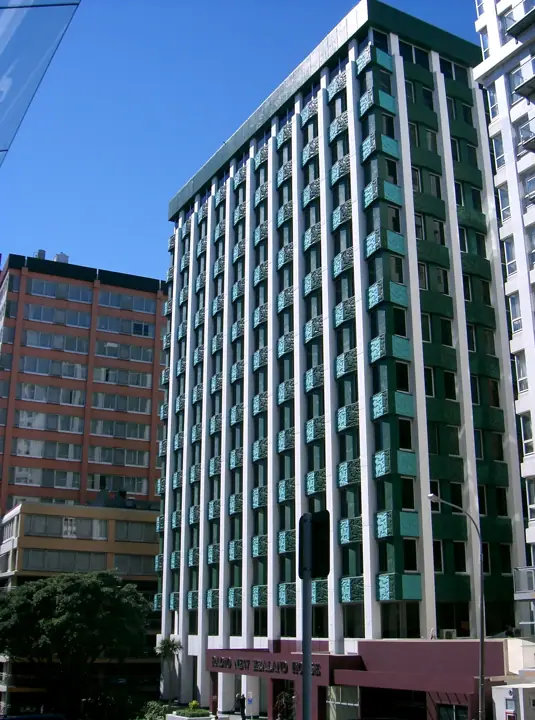
A tall white-and-green office tower on a city street under blue sky, with a 'Radio New Zealand House' sign above the ground-floor entrance

RNZ's own board approved the $5m loan that broke the law

Radio New Zealand's board approved the $5 million loan facility that broke the law, and the man who now chairs it was one of the directors who voted for it. The decision was made on 9 June. The Post's Stewart Sowman-Lund and Amelia Wade reported it, and Bryce Edwards summarised their paywalled story in the Democracy Project's news briefing on 12 November.

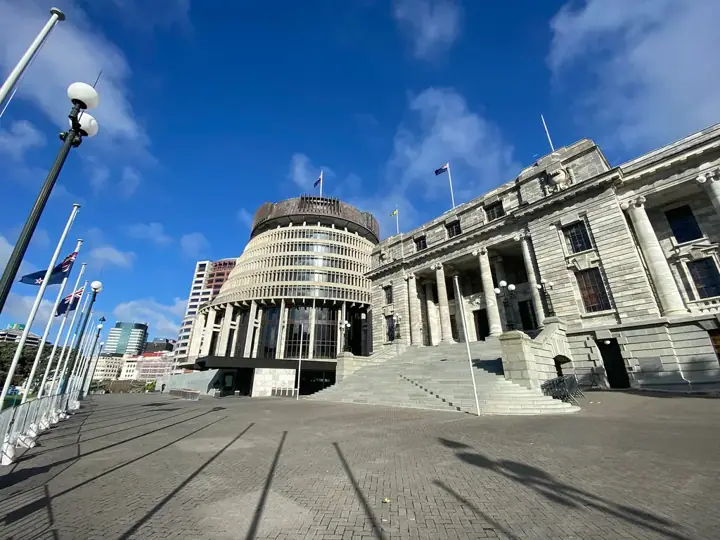
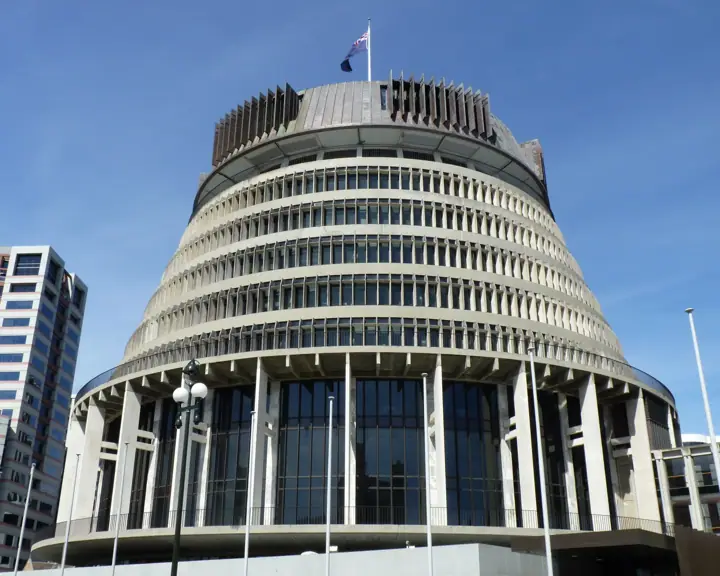
Low-angle view across the forecourt of New Zealand's Parliament grounds, with the round, tiered Beehive building beside the columned stone Parliament House under a blue sky

Opportunity's seven seats bring it into coalition talks

Opportunity will enter Parliament for the first time with 6% of the vote and seven seats, 1News reported on 8 November. Both blocs now want it. In the last days of the campaign, 42% of respondents to a GenPro survey preferred it when judging on health policy alone.

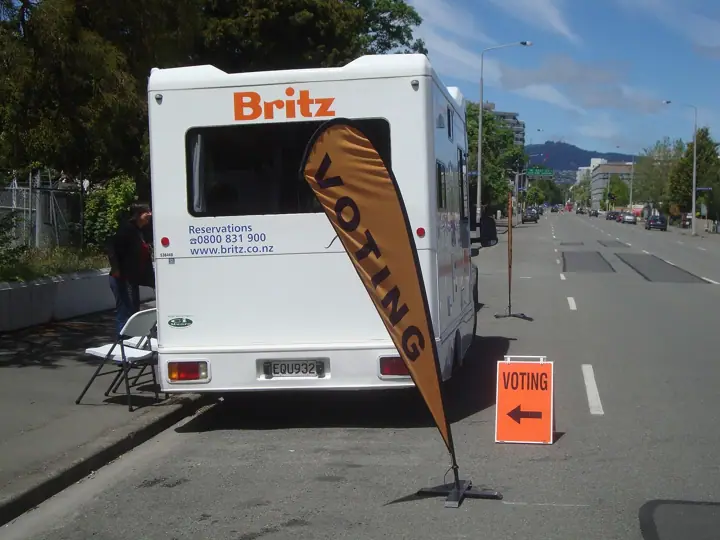
The back of a white camper van parked at the kerb on a wide city street, with an orange flag reading "VOTING" and an orange "VOTING" sign with an arrow on the road beside it. A person stands by a folding chair on the footpath.

New Zealand election: tonight's count will leave out special votes, with official results due around 27 November

Nearly 1.67 million people had voted in New Zealand's general election by Thursday, Reuters reported, citing Electoral Commission figures, a total that leaves out Friday's advance votes. Preliminary results are expected this evening. They leave out special votes, and the Commission estimated in August that official results would come around 27 November. Special votes come from people such as voters overseas, outside their electorate or not on the printed roll, and they're counted late because officials must first check that each voter is entitled to vote.